

Across Northwest Indiana, the way we live is undergoing a quiet evolution.
From harbor-side developments to master-planned neighborhoods blooming across Northwest Indiana, the demand for low-maintenance living is growing. Buyers—whether downsizing from big family homes, seeking a getaway near Lake Michigan, or stepping into homeownership for the very first time—are increasingly drawn to the promise of managed communities: someone else shovels the heavy snow, someone else mows the lawn, and your weekends remain entirely your own.
Yet open any real estate brochure today, and you are met with an alphabet soup of lifestyle branding: luxury condominiums, attached townhomes, paired villas, maintenance-free duplexes, and single-family cottage homes.
The industry often treats these terms interchangeably. They aren't.
When you evaluate a managed community, architectural style is secondary. The most important detail is not the shared wall or the front porch—it is the legal form of ownership, set by the community's recorded declaration. Understanding that distinction is the difference between effortless lock-and-leave living and an unexpected five-figure assessment.

1. Condominiums: Ownership from the Drywall In
A condominium is not a building style; it is a legal structure. You can have a high-rise condo, a townhouse-style condo, or even a completely detached single-family home structured legally as a condominium.
In the classic arrangement, you own the space inside your walls, and everything else (framing, roof, siding, grounds, amenities) is owned jointly with your neighbors. But the declaration draws the lines, and they can vary. In some condominiums, each unit even includes the land beneath it, and owners are responsible for their own windows, doors and driveway.
- The Trade-Off: Maximum freedom from exterior maintenance. If hail damages the roof, the association typically handles the claim, though the master policy's deductible may be passed through to owners.
- The Reality Check: You trade autonomy for collective governance. The association’s board dictates exterior paint colors, window replacements, architectural modifications, pet weight limits, and rental caps. Furthermore, mortgage underwriting on condos requires a thorough project review: lenders scrutinize owner-occupancy ratios, commercial space percentages, and master insurance policies before approving a loan.
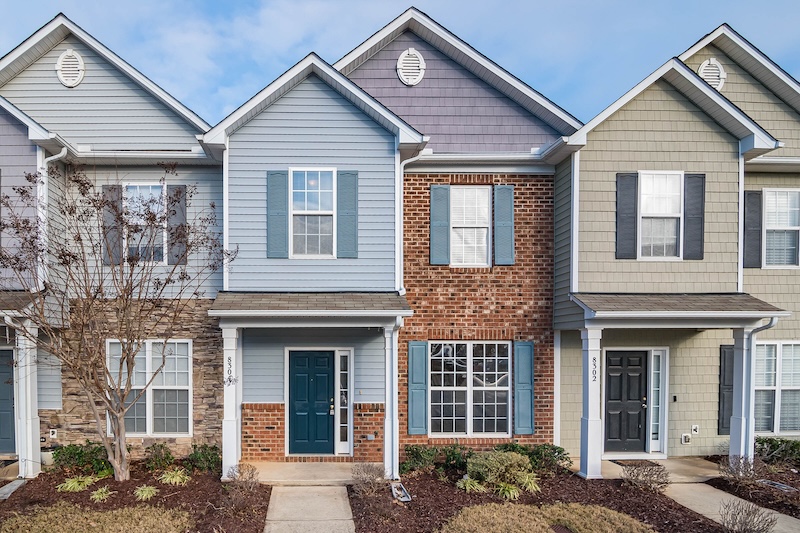
2. Townhomes: Owning the Ground Beneath You
In traditional fee-simple townhome ownership, you own both the interior and exterior of your unit, along with the specific parcel of land directly beneath your foundation.
While you share one or two vertical party walls with neighbors, you hold title to real dirt. The community association typically maintains common roadway infrastructure, perimeter fences, and shared amenity spaces.
- The Trade-Off: When the community is fee simple, financing is usually simpler, with fewer lending hurdles than a condominium. However, if a "townhome" community is legally a condo, lenders review it as one, regardless of how it looks from the curb.
- The Reality Check: Maintenance responsibilities can vary widely by community declaration. In some townhome enclaves, the association collects dues to handle roof replacement and exterior paint. In others, each owner is individually responsible for replacing their own section of roof and repairing their own exterior trim. Reading the declarations before signing is vital to understanding precisely the practical and financial obligation you're agreeing to. And the label isn't necessarily permanent. In at least one Porter County community I've encountered, the development was constructed and sold as fee-simple townhomes, but later converted to a condominium association. The homes look exactly the same; the legal structure underneath changed through the choice of the property owners.
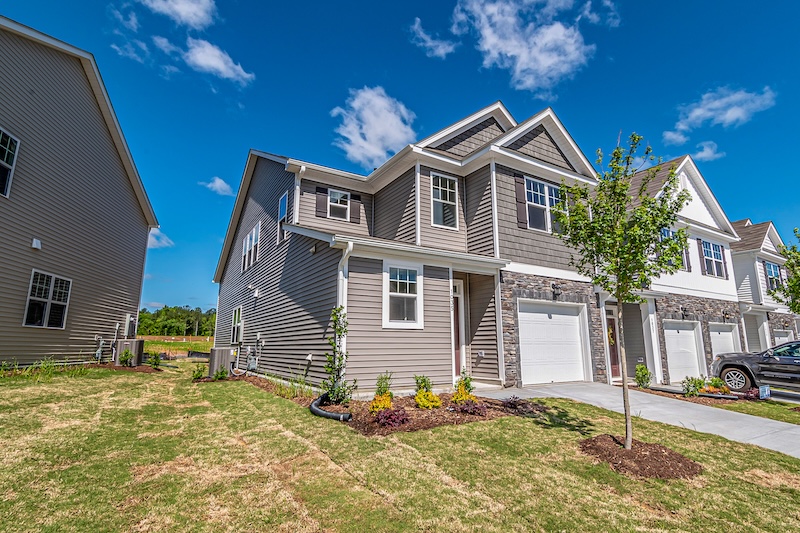
3. Paired Villas & Duplexes: The Single-Level Compromise
An increasingly popular choice for buyers transitioning out of large two-story colonials, paired villas (often marketed as semi-custom duplexes or twin homes) feature two distinct residences conjoined by a common, sound-insulated firewall.
Most paired villas are deeded as fee-simple lots, offering a private backyard, an attached two-car garage, and main-floor master living — though some are legally structured as condominiums.
- The Trade-Off: You retain the privacy, footprint, and feel of a standalone home with only one adjacent neighbor.
- The Reality Check: "Maintenance-free" in villa marketing often refers only to landscape care, irrigation, and driveway snow removal. The physical structure—siding, brick, gutters, and roof—often remains the homeowner’s individual financial obligation.
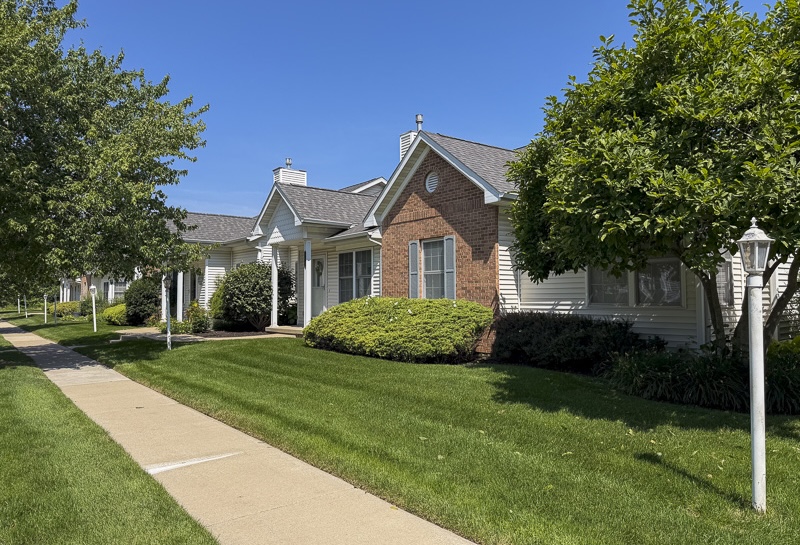
4. Detached Cottage Homes: Autonomy with Shared Grounds
Another popular modern design concept is the detached cottage or village home. These properties look and feel like classic single-family bungalows or coastal cottages—with zero shared walls—nestled around central greens, walking paths, or conservation reserves. Some of these communities are structured as detached condominiums, where you own the home but not the ground beneath it, so the same questions from the condominium section apply.
- The Trade-Off: Freestanding privacy with no shared walls, combined with a neighborhood association that handles groundskeeping, common park space, and community amenities.
- The Reality Check: You enjoy full control over your private interior and patio, but architectural review boards enforce strict guidelines regarding exterior finishes, seasonal displays, and landscape additions to preserve the cohesive aesthetic of the streetscape.

5. Why So Many Communities Choose the Condo Structure
If condominiums come with more rules, why do so many attached-home communities choose them? Because shared buildings are easier to care for together. A roof is replaced one building at a time, not piecemeal by whichever neighbor can afford it. One master insurance policy covers the structure, with no gaps between neighbors' coverage. Exteriors stay consistent, and Indiana law gives the association a lien that keeps dues collected.
The trade-off is that the association's financial health becomes part of your investment. That's why the next step matters so much.
An Advisor’s Guide to Vetting the Community
Selecting the right housing type is only half the equation; the health of the community association behind it is what safeguards your investment. When I tour managed properties with buyers, our due diligence extends far beyond quartz countertops and closet build-outs.
-
Ask for the Documents Early: Indiana requires sellers to provide the association's governing documents and assessment amounts, but only by ten days before closing. By then, you're well into the purchase. I ask for the declaration, budget, reserve study, and recent meeting minutes up front, so my buyers can read them while there's still time to decide.
-
Audit the Reserve Study: A reserve study is a long-term financial report that forecasts future repair costs for shared elements—like roofs, elevators, and roads—and dictates how much an association must save to cover them. A beautiful clubhouse means little if that reserve fund holds only a fraction of what is needed to replace roofs and repave private roads over the next five years. I advise my buyers to examine the reserve balance closely: when reserves fall short, associations issue special assessments—lump-sum invoices charged directly to every homeowner to fund deferred capital repairs.
- Scrutinize the Master Insurance Policy: Across the Midwest, shifting weather patterns and rising construction costs have triggered sharp spikes in master property casualty premiums. Reviewing the association's deductible limits and ensuring you carry the appropriate personal HO-6 policy endorsement protects you from footing the bill for shared structural losses.
- Evaluate the Covenants and Restrictions (CC&Rs): The governing documents run with the land. Whether you plan to host family pets, park an RV or boat trailer, install a private EV charger in your garage, or rent the home seasonally, those answers are dictated by the community's governing documents, not builder sales chatter.
Managed communities offer an exceptional quality of life and the priceless luxury of reclaimed time. But seamless living only happens when your expectations align perfectly with your deed. Before falling in love with a floor plan, make sure you understand the ground you're standing on.

BONNIE HAWKSWORTH
REALTOR®
@properties
219-309-7638
bonniehawksworth@atproperties.com
Thoughtful perspectives on the Northwest Indiana real estate market — from planning and preparation to local conditions shaping the year ahead.







All information provided on this website is believed to be reliable but is not guaranteed and should be independently verified. Nothing on this site constitutes legal, financial, or tax advice—visitors should consult the appropriate professionals for guidance specific to their situation. Bonnie Hawksworth, the Dunelife Team, @properties | Christie's International Real Estate and their affiliates, and website owner make no representations or warranties, express or implied, regarding the accuracy, completeness, or suitability of any content for any purpose and shall not be liable for any loss arising from reliance on the information provided. This website and its owners comply with all Fair Housing Act and Equal Opportunity provisions. Equal Housing Opportunity. Bonnie Hawksworth, REALTOR® License # RB24000153