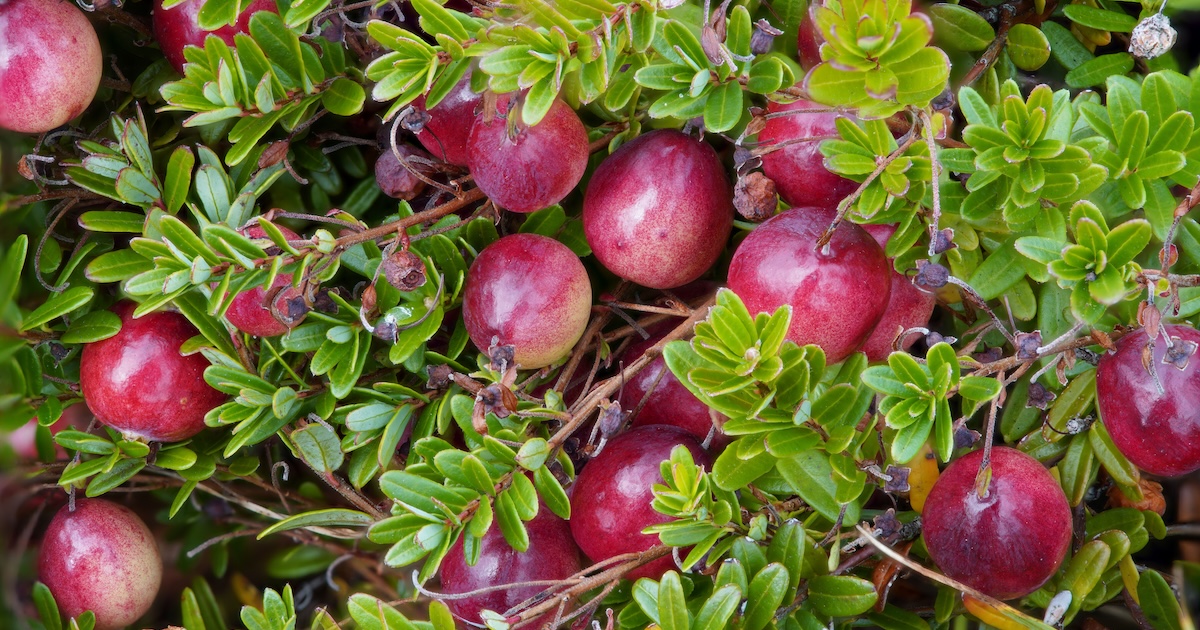

Autumn along the southern shore of Lake Michigan is something to be savored. The summer crowds thin. Russet-colored oak leaves litter the dunes, quite literally in drifts. And the first cold mornings turn my thoughts toward kindling the fireplace and the approaching holidays.
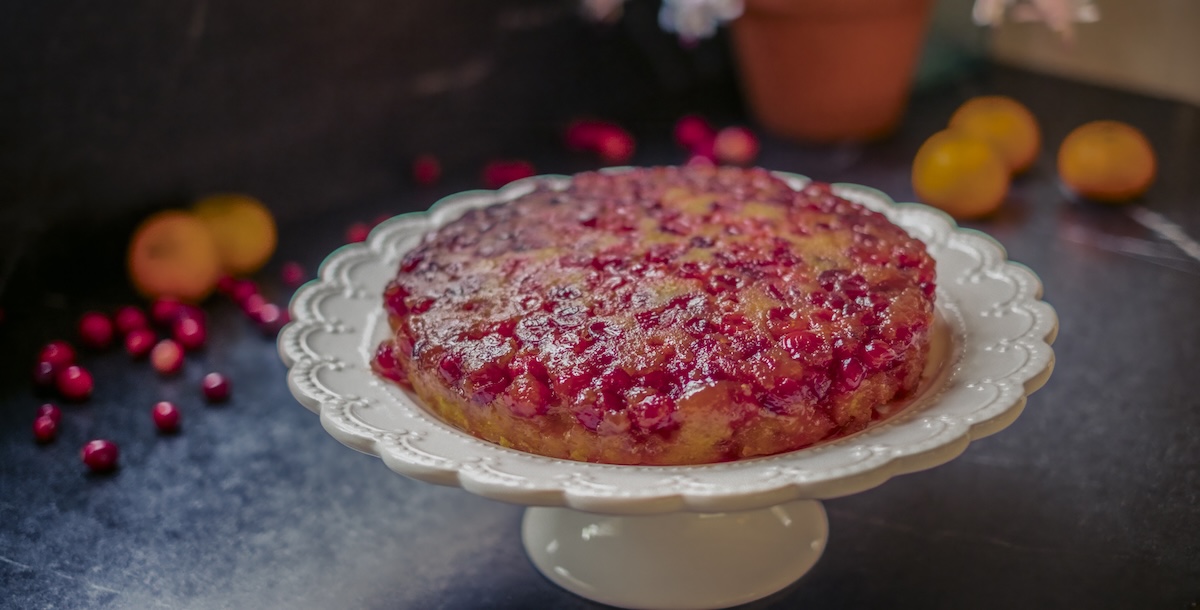
My cranberry relish recipe is one I collected thirty years ago from Cook's Illustrated. I've made it every year since then. It's the perfect, pleasing-to-me combination of sweet and savory. If you're like me, it's easy to take for granted the humble cranberry. And it wasn't until a few years ago that I learned the famous fall fruit was once cultivated right here in the dunes. It's a chapter of local history most of us never learned.
My botanist friends tell me that cranberries (Vaccinium macrocarpon) are ancient inhabitants of the Calumet Region. For centuries, the indigenous Potawatomi harvested the tart native berries for sustenance, medicine, and rich red textiles. As early settlers pushed into Lake, Porter, and La Porte counties in the early 19th century, they discovered an unexpected bounty thriving in the acidic peat bogs. In fact, the fruit inspired an early Indiana conservation law. In 1859, the General Assembly made it a misdemeanor to gather cranberries on public land before September 15, so the wild berries could ripen before anyone picked them.
Around that same time, Americans were developing a growing appetite for the lustrous red fruit. Sugar, essential to taming the cranberry's tartness, had become more accessible. The expanding railroad network connected growers with distant markets. And hotels and restaurants prominently featured all manner of cranberry concoctions on their menus.
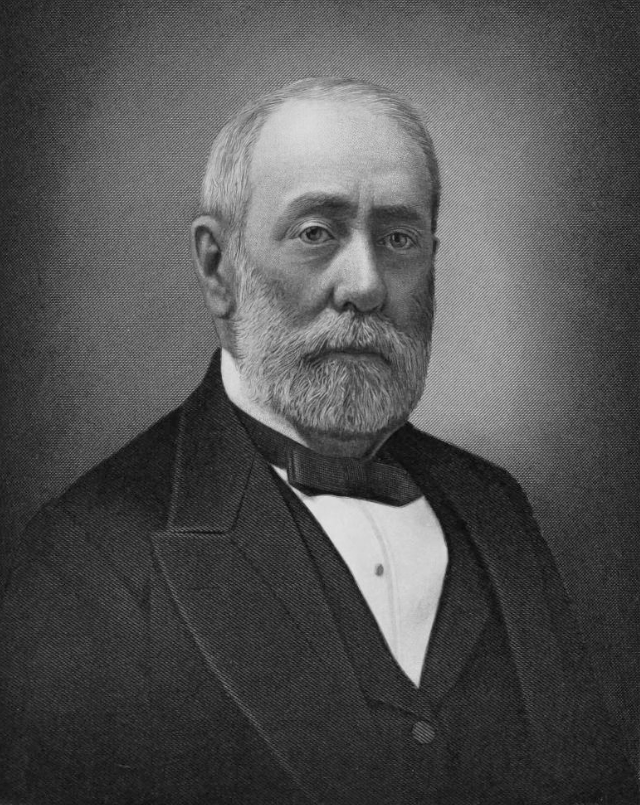
Portrait of Chauncey Buckley Blair from Historical Encyclopedia of Illinois With Commemorative Biographies, Volume II, 1929.
Among those who saw opportunity in the expanding demand for cranberries was Chauncey Buckley Blair.
Blair had already helped build Michigan City’s early shipping business. With his brother Lyman, he operated a grain enterprise and built a pier and warehouse on the lakefront. He later moved into Chicago banking, organizing the Merchants’ National Bank in 1865, a forerunner of Continental Bank, where my grandfather worked for his entire career.
The Blair family's business interests extended into northern Pine Township, where Chauncey owned large tracts of cheap, undesirable “swamp” land. It's likely that wild cranberries grew natively in these areas, but Blair innovated a systematic approach to cultivation, with ditching, diking, and water manipulation to greatly increase yields.
By 1882, a La Porte County history recorded that Blair had drained Fish Lake, near Mount Baldy, and converted it for cranberry production. At its peak, the Blair enterprise had upwards of a hundred pickers harvesting berries across five cranberry “plantations.”
For a short stretch each autumn, the cranberry harvest brought a bustle to the soggy landscape. Migrant laborers, local farmhands, and seasonal pickers gathered in festive camps along the dune ridges. Over several intensive weeks in late October and early November, thousands of bushels of deep crimson berries were gathered, crated, and hauled by wagon to local markets or rail lines bound directly for Chicago and points beyond.
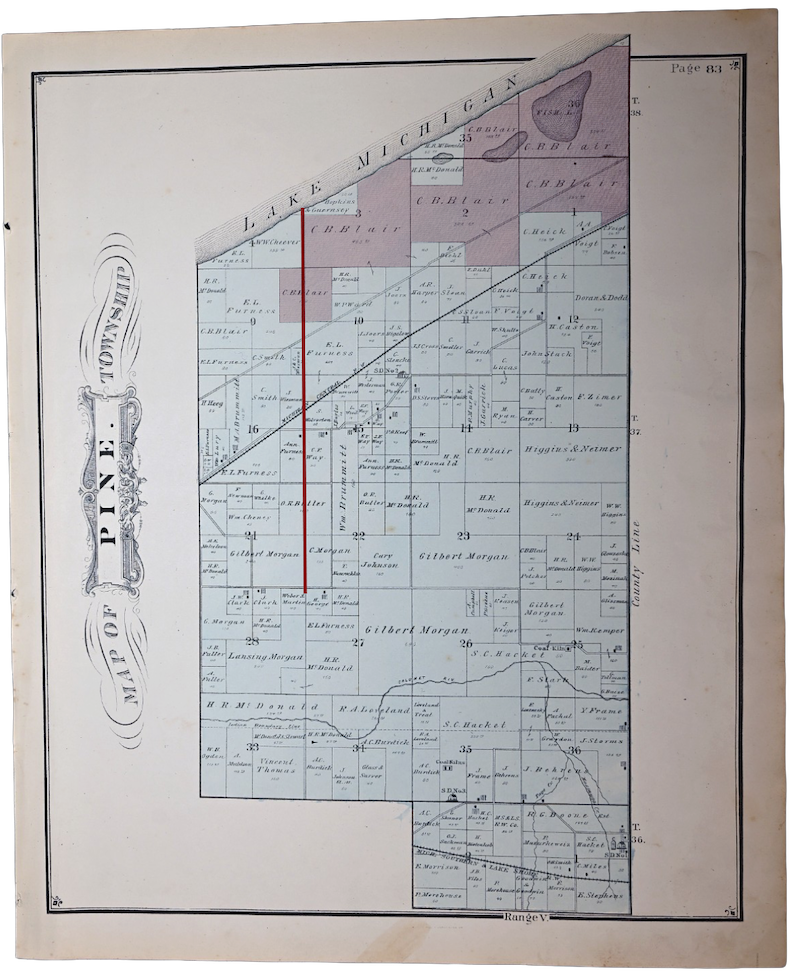
Chauncy Blair had significant land holdings in northern Pine Township, generally east of Lake Shore County Road, which is marked, fittingly, in cranberry red.
While Blair’s operation was locally impressive, it remained relatively modest by national standards. Ultimately, it was unable to withstand the changes that transformed much of northern Indiana from wetland to farmland.
An industry report from 1899 warned that surrounding ditches were drawing water away from Blair’s marshes. And, by the early 20th century, broad-scale agricultural development, changing hydrology, and real estate speculation displaced commercial cranberry ventures entirely.
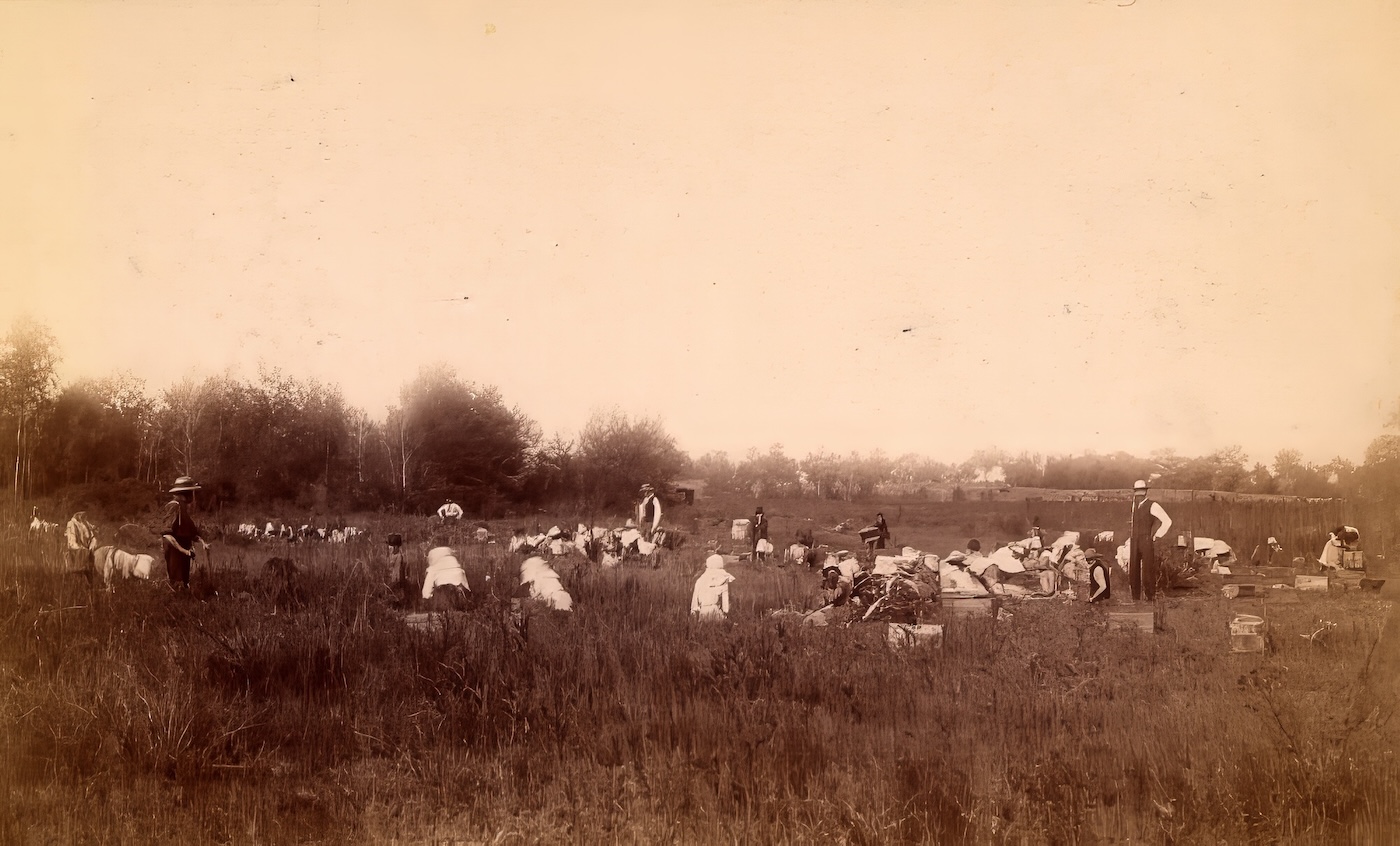
Harvesting cranberries circa 1885, Pine Township, Porter County.
Today, if you drive north on Lake Shore County Road and then follow Beverly Drive toward Mt. Baldy, Chauncey Blair's former cranberry "bogs" would have been on the south side of the road. There are no obvious clues to that earlier industry, but it's a beautiful stretch of the Great Marsh, and especially lovely in the autumn light. As you pause to watch the sandhill cranes gracefully descend to the water, or the flutter of autumn leaves falling on the roadway, give a thought to the rich history of the place—how human ambition borrowed the marshy ground for a brief time, before surrendering it again to nature.

BONNIE HAWKSWORTH
REALTOR®
@properties
219-309-7638
bonniehawksworth@atproperties.com
Thoughtful perspectives on the Northwest Indiana real estate market — from planning and preparation to local conditions shaping the year ahead.




All information provided on this website is believed to be reliable but is not guaranteed and should be independently verified. Nothing on this site constitutes legal, financial, or tax advice—visitors should consult the appropriate professionals for guidance specific to their situation. Bonnie Hawksworth, the Dunelife Team, @properties | Christie's International Real Estate and their affiliates, and website owner make no representations or warranties, express or implied, regarding the accuracy, completeness, or suitability of any content for any purpose and shall not be liable for any loss arising from reliance on the information provided. This website and its owners comply with all Fair Housing Act and Equal Opportunity provisions. Equal Housing Opportunity. Bonnie Hawksworth, REALTOR® License # RB24000153