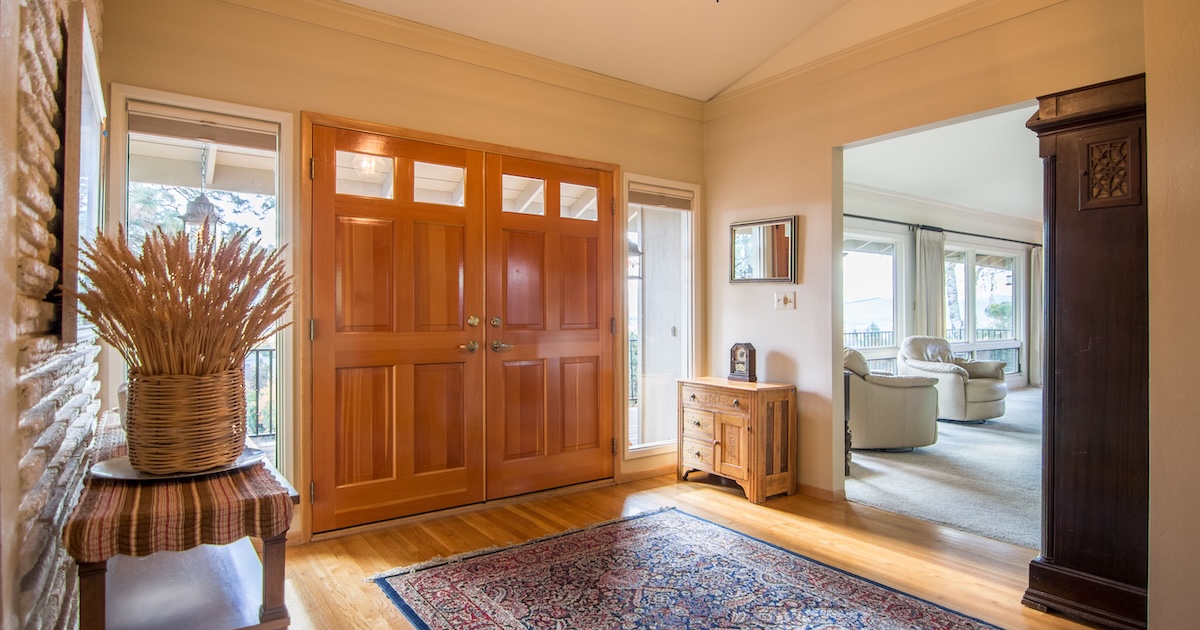

In the modern real estate market, photography is the ultimate first filter. A strong portfolio won't necessarily close the deal, but it is the single factor that decides whether a buyer books a showing or scrolls past. That's why we go to great lengths to ensure we capture your home at its best.
By the time a photographer shows up at your door, most of the important work should already be finished. Good photography cannot invent light that isn’t there, it can't hide a yard that hasn't been touched in months, and it certainly can't finish the projects that are stuck on the "honey-do" list. What it can do, is show your home in the best possible light — both literally and figuratively.
A camera lens sees a house differently than the human eye does. It exaggerates clutter, flattens depth, and picks up textures you walk past every day without noticing.
Because we believe the visual narrative of your home is the single most critical piece of marketing we produce, we don’t approach it the way traditional brokerages do. But before we look at how we capture a home, here is what I ask my clients to focus on before we ever turn on the cameras.
Clay Elliot | Pexels
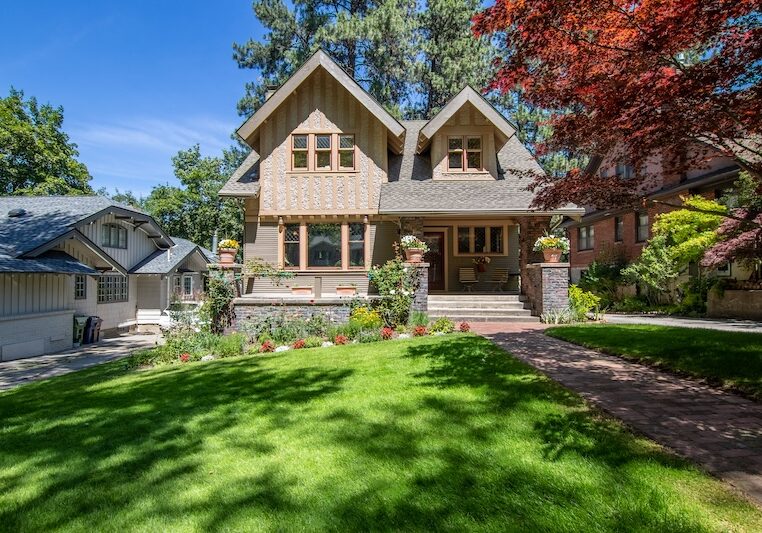
The Exterior is Your Cover Letter
The primary exterior photo is almost always a buyer’s first introduction to your home. It's the deciding factor in whether they click to see the rest of the house or swipe to the next listing. Before the shoot:
-
Power-wash the pathways: Siding, walkways, and driveways show grime and weathering on camera far more than they do in person. Cleared pavement frames a house neatly.
-
Time the landscaping: Mow the lawn the day before or the morning of the shoot—not a week ahead. Crisp, fresh-cut lines give an immediate impression of meticulous maintenance.
-
Edge and mulch: Crisp up the garden beds. Trim back the scraggly branches that might block architectural lines or window views. Consider removing branches that obscure the front facade. Along the shoreline, this also means sweeping away drifted sand or winter debris from decks and patios.
-
Focus on the threshold: The front door is the focal point of your main exterior shot. Consider a fresh coat of paint if it’s scuffed, and add simple, seasonal potted plants to anchor the entryway.
Clay Elliot | Pexels
Inside, Less is More
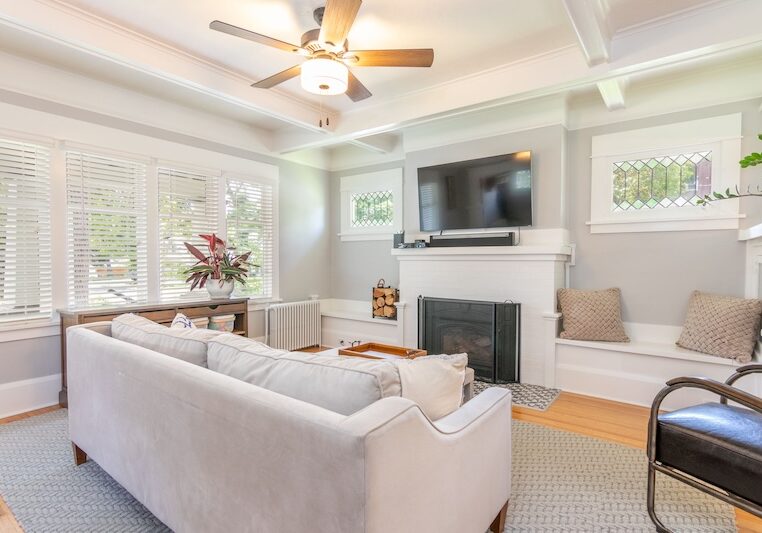
Once the camera moves inside, the objective shifts from deep cleaning to spatial editing. The goal isn’t to show how you live in the house; it’s to show how a buyer could live there.
-
Clear the surfaces completely: In kitchens and bathrooms, buyers need to see the expanse of the countertops, not the appliances, soaps, or daily items that usually sit on them. If it’s smaller than a toaster, put it in a cabinet.
-
Edit the furniture: We often arrange furniture for daily comfort, but cameras need sightlines. Removing a single oversized chair or an extra end table can instantly expand a room’s visual square footage.
-
Uncover the light: Open every drapery, blind, and shade. Clear anything blocking a window. Natural light does more to sell a coastal or wooded home than almost any design feature.
-
De-personalize gently: Put away family photos and highly personal decor. A buyer needs to mentally place their own life into the space, which is hard to do when they are looking at yours.
Timing and the Directorial Approach
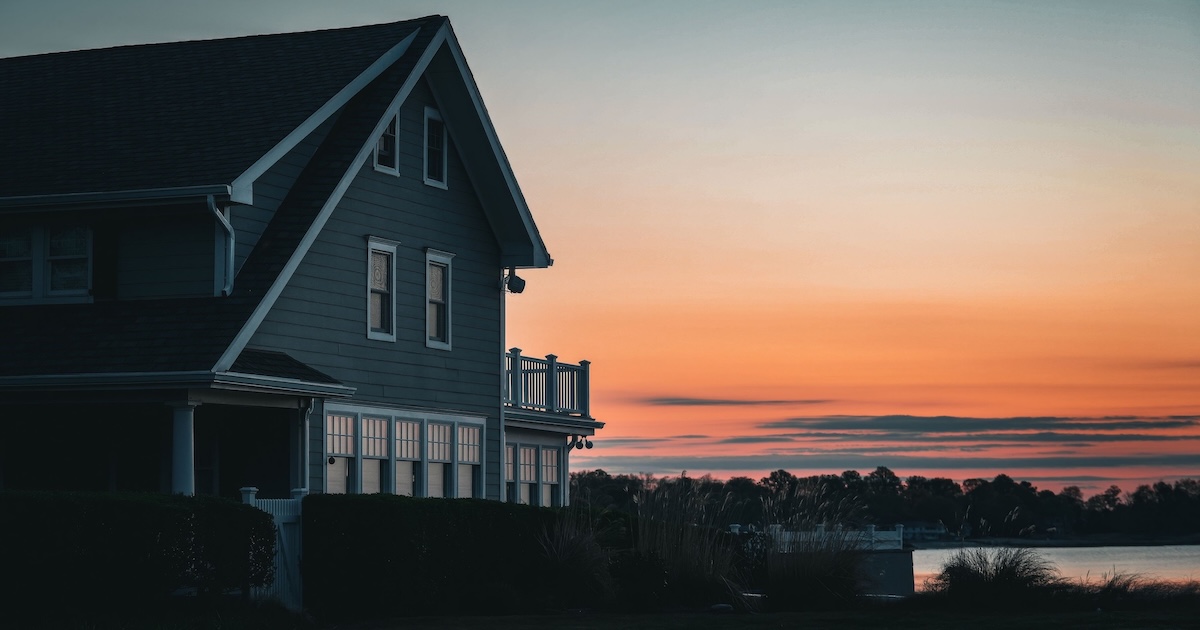
Light matters more than people expect, particularly along our shoreline. A home nestled under a dense canopy of mature oaks photographs entirely differently than a home sitting directly on the open foredune.
The flat, harsh brightness of midday creates dark, unforgiving shadows. Conversely, morning and late afternoon light offer warm, golden tones that make interiors feel inviting and exteriors look expansive.
Because visual production value is so vital to our strategy, we've built our own in-house media and content creation team — perhaps the only one in the region — so we have the luxury to choose our days, wait for the perfect weather, and choose the exact hour that shows your home at its best.
The Luxury of Time and Directorial Vision
While the heavy lifting happens in the days leading up to the shoot, the morning of the session requires a quick, deliberate walk-through to prep the canvas:
-
Hide the daily logistics: Put trash cans, pet bowls, and tissue boxes entirely out of sight.
-
The lighting reset: Turn on every single light source—lamps, overheads, under-cabinet lighting—and turn off all ceiling fans so they don’t blur on camera.
-
Clear the driveway: Move all vehicles completely out of view, ensuring the front of the home is entirely unobstructed.
The Bottom Line
Preparing your home for the camera doesn't require a massive financial investment or an architectural overhaul. It simply requires a few days of deliberate preparation and a clear strategy.
If you're thinking about positioning your home for the market this year or next, let's connect early. We can take a walk through your property together and design a visual strategy before the lens cap even comes off. And even if listing your home ends up further down your "to-do" list, your spouse will appreciate the sudden burst of energy.

BONNIE HAWKSWORTH
REALTOR®
@properties Christie's International Real Estate
219-309-7638
bonniehawksworth@atproperties.com
Thoughtful perspectives on the Northwest Indiana real estate market — from planning and preparation to local conditions shaping the year ahead.



All information provided on this website is believed to be reliable but is not guaranteed and should be independently verified. Nothing on this site constitutes legal, financial, or tax advice—visitors should consult the appropriate professionals for guidance specific to their situation. Bonnie Hawksworth, the Dunelife Team, @properties | Christie's International Real Estate and their affiliates, and website owner make no representations or warranties, express or implied, regarding the accuracy, completeness, or suitability of any content for any purpose and shall not be liable for any loss arising from reliance on the information provided. This website and its owners comply with all Fair Housing Act and Equal Opportunity provisions. Equal Housing Opportunity. Bonnie Hawksworth, REALTOR® License # RB24000153